Community Builders Meetup of Meetups
Speakers/Moderators
Wesley Schlemmer
Wesley Schlemmer
Jhonny
Jhonny

Liz Parrish
Liz Parrish
Session
Overview
Community Builders Meetup of Meetups brought together organizers from Bitcoin Bay Foundation, Philly Bitcoin Jawn, Bitcoin Charlotte, Orange Pill Peru, and related local efforts to discuss how Bitcoin communities grow at the neighborhood level. The conversation focused on consistency, welcoming venues, food, family-friendly formats, and creating spaces where newcomers can learn without feeling intimidated.
Speakers shared practical lessons on finding venues, managing communication across platforms like Meetup, Telegram, Signal, X, Nostr, and WhatsApp, and using tools such as Open Meetup, Zaprite, and BTC Map to reduce organizer workload. They also discussed funding models, from informal volunteer-driven gatherings to 501(c)(3) nonprofit structures with donors, sponsors, and in-kind community support.
A recurring theme was that Bitcoin meetups do not need to be large or highly produced to be valuable. Small gatherings, Bitcoin walks, markets, workshops, and family-oriented events can all help create durable local networks. The panel encouraged attendees to start where they are, be consistent, and build around the needs and culture of their own city or region.
The recipe is really just consistency. We also have consistently good engagement from other communities who come through Philly. We have a little bit of an incubator vibe where people come and show their product or what they are building, and maybe they bring some folks.
We are primarily on Meetup, and you get a lot of people off the street. The Meetup community is interesting. A great example is in Philadelphia, there is a place called Rittenhouse Square. They were doing a circular economy there, and they heard about Bitcoin and wanted to start accepting Bitcoin. Most of them used Square terminals. They had seen the meetup on Meetup.com and said, maybe we can go there and learn how to accept Bitcoin for our Rittenhouse Square market. This was just last month. They were able to onboard almost all of their merchants very easily through Square and learn about custody and that sort of thing.
A fair percentage of people come in through other communities too. We have a lot of overlap between New York, DC, and Philly, that trifecta there. People are pretty faithful about bringing other business owners and friends. It has just been very consistent.
We also talk about current events, so people come to get informed. It is a little bit of a popcorn situation where people share their experiences. It has been the quality presenters who come through, the openness, and the opportunity for random people to come up, present an idea, and find traction. It has been very open, I would say.
How has the venue you picked played into that?
It is kind of funny. We meet at a Chinese restaurant, and they do not take Bitcoin as a restaurant. We have been trying to orange pill them for quite some time now. But it is on a Monday night, and they are a karaoke bar, so it is really slow. We bring in a consistent number of people. Almost everybody buys food. We have beer, which is great.
I think the food component is a really important part of getting people to come out. Even if they do not love Bitcoin or they are new to it, they can get a meal, bring a date, or something like that.
One of the key aspects, which is hard for a lot of meetups, is the presentation environment. Being a karaoke bar, they have a floor-to-ceiling video wall, very similar to this, and you can HDMI into it. They have wireless mics and a little stage. Having a good quality presentation is pretty key. They allow us to use it as long as everybody is buying food. It is a symbiotic relationship with the restaurant owner. Doing it on an off night means he gets income from people buying food. It works.
I think that is important. One of the biggest struggles as a meetup organizer is finding your location. What suggestions do you have for a new meetup organizer?
We have a Phoenixville meetup as well, out in the suburbs. Brian leads that up, and he is here. One of the things we did there was choose a microbrewery and sandwich shop that had a good area where you could put some tables together. The music was not too loud. We did have some initial issues with the music being loud, but we talked to the owner and said, this is the environment we are looking to create. As long as you are giving them patronage, I think they love it. Then as they see consistency, you can start to make requests.
It has to be an environment where it is not too loud, where people can present and sit and talk. Coffee shops are great. Bars are great. Restaurants or venues that are slow are all great opportunities.
If you are a small business, like we use in Charlotte, a lot of them have space they are willing to let you use, which is really nice.
Absolutely. It definitely helps when they open the door and have a space for you to fill. It helps everybody. Food is such a big part of community. Sharing a meal with other Bitcoiners is powerful.
Chester, I am going to ask you too, because we talked about this. What other media or approaches do you have to involve families?
I am a homeschooling dad, and we are a Bitcoin family. I know a lot of Bitcoiners are building their sovereign situation and are choosing to homeschool their children, get out in nature, and get out of the school system. So I am increasingly interested in communities that involve children, wives, and families.
Thank God for Bitcoin does a microconference and other events and meetups that are very family friendly. You can bring out your kids, and the moms can talk about homeschooling things. That is really cool.
There are a couple of others I wanted to highlight as well. Your community does not always have to be a meetup at a restaurant. Dirty Coin is a documentary about the environmental impacts of Bitcoin mining. We have had big events in Nashville. We had about 500 people out for the screening. We have almost 850 people in our Telegram group, and the community is really palpable. We do all sorts of side events and trading nights around conferences.
The Heatpunks get together and talk about how to use Bitcoin mining to heat our homes and do solar mining. There is literally a community for everyone. The Tuttle Twins are here too, and they do a really great job orange pilling kids and introducing them to economic concepts that are really powerful for the next generation of builders.
One of the points I have found when you are building a Bitcoin community is that it is very important to have value, but also to create a vibe people want to come back to. A welcoming vibe, a family vibe. I think it is also important because a lot of these Bitcoin meetups are run by men, which is fine, but sometimes it gets so technical. You are arguing about Knots versus Core, and you have to take a step back and also say, how are you doing? How are your kids doing? Create an environment people actually want to come back to.
Yes, you need to swap some sourdough recipes.
Exactly. Super essential.
A lot of times when you host Bitcoin meetups, a lot of the funding comes from your own pocket. I want to touch on that. Wesley, you are a 501(c)(3). How does funding work for your meetup?
My pockets are not as deep as they used to be. But no, it is very much a community effort. Things like our logo designs, one of our guys is a designer, so as an in-kind contribution he is able to donate those services to the community. Trying to get as much handled by people with skills in your community is probably where we get most of the value.
We have monthly donors. We have membership tiers from $10 to $25 plus. You get discounts on merch and events. We have our annual gala, which is our fundraiser. We also do some ticketed events and sponsorships. Everyone wants to sponsor. We just got a monthly sponsor who is going to pay for all the meetups, so now we can bring food because we want food and now we can afford it.
It has pretty much all been local people contributing what they can, skill-wise and monthly.
Are there discounts given for being a 501(c)(3), for venues or anything like that?
Not for venues, but for tech. Canva does pro accounts for nonprofits, so that is great for making presentations or social media stuff. Google has nonprofit tools. QuickBooks has discounts for nonprofits. There are discounts like that around for nonprofits.
The biggest thing is sales tax exemption. We save about seven and a half percent on everything we do. Once you start investing a couple thousand dollars, it starts to add up. Also, people are able to donate. It is different from being a tip jar. You are able to become a monthly donor, I give you a receipt, and you can write that off on your taxes. Some venues like the feel-good effect of supporting a nonprofit, but honestly the biggest benefit is probably sales tax.
Chester, what about your meetup? Do you have any sponsors?
No. It is vibes all the way down. Matt buys the beer. We do not really have a formal structure at our meetups. There are pros and benefits, and I hear what you are saying about getting nonprofit rates on software. I am a CIO for a big engineering firm, and I would love to get some nonprofit rates on software.
Hosting websites and platform costs add up, but we do not host websites and do not really have a whole lot of costs. Matt has been very gracious to foot most of that bill himself. I think he would love to maybe explore a nonprofit setup, so I will have to talk to you about the trade-offs.
Out in the suburbs in Phoenixville, we just keep it really simple. We meet up, get food, and have great conversation. There are not a lot of expenses associated with running those meetups. It seems like a spectrum, depending on what you are trying to do.
That is good advice too, because you could make it really simple.
As a meetup organizer, this typically takes a decent amount of your time. Most of us have full-time jobs, and this is a little side thing. Johnny, can you talk a little bit about how much time it takes to host a meetup?
A lot. That is pretty much what you donate: time. The internet makes it a little easier because I can be abroad and still try to organize, but not having the help is always a struggle. If you have people helping out and you can delegate, it helps.
But when you have a lot of projects, I am working on hot sauces, onboarding businesses to Bitcoin, Orange Pill Peru, Bitcoin Charlotte, all of that. Time gets limited. I do not get a lot of sleep, for sure.
It is always good when people come in out of the goodness of their hearts. That is kind of what I do. I love doing this. If people get involved and have the time to donate to that, it helps keep it going.
Wesley, Tampa Bay has been meeting since 2013. If you could go back and do it all over, would you do anything differently when starting out? What would you tell somebody new starting out?
I was there in 2013. I was in high school, but I was not running it. I joined about four years ago. I read one book on building a nonprofit, and I was like, okay, I will just go do it now.
I probably would have been a little more intentional about the structure, about finding and building a board of people who have experience and are not just the guys you trust. None of us are accountants. Luckily, we have some finance students from the University of Tampa who come help us with spreadsheets.
But just thinking long term: what is this going to look like in five years, as opposed to, I need an EIN in the next three months to do these things. Where do I want this to be in five years? Do I want to be running this in five years? Four years in, I am like, I guess I am coming up on five years.
Also, be better with the time that you have. I did not have a job, so I created one. I moved home during COVID, so I was kind of waiting to see. Instead of being the unemployed guy in Bitcoin, now I am the president of Bitcoin Bay Foundation. Now I have a job.
Be aware of what the time is going to cost you and the people you bring onto the team, and what skills you all have. Be very intentional about who your core group is, what weaknesses you all have, and how you each cover each other’s weak spots. That is probably the best way to make sure the group has longevity.
You talked about long term. Chester, what do you think the future of Bitcoin meetups looks like?
Everybody is talking about the encroachment of AI. AI is going to take all of our jobs and make it terrible or whatever. I tend to be a lot more optimistic. I think people will crave more community because they will not trust the experience they are getting online in the same way. Bots are everywhere now. Imagine what it will be like in two or three years when everyone has their own agent and you do not even know if you are engaging with someone directly.
I think people are going to crave these third spaces. For myself personally, I get some of that from my church community, homeschool community, jiu-jitsu with the kids, and sports. Not everybody has that. I think a lot of folks are really looking to connect with like-minded people.
You also have encroachment of surveillance and people self-modulating their online activity in ways that are inauthentic, while desiring community engagement. As Bitcoiners, we understand where this is headed.
Knowing where your food comes from, having a guy you buy chicken eggs from, and trading your time because you are an IT guy or an accountant or you make amazing dry rub, that matters. Circular economies, your own network, and your own tribe are going to be a real important part of the future, especially as we are trying to raise our children and think about what that looks like in an increasingly surveilled world.
I agree. I think it is going to feel very important.
With that, we are going to show you how to start your meetup.
Wait, hold on. Let me pick up a little bit on that one. I want to say that with Bitcoin meetups, eventually, if we have Bitcoin running at every stage, it starts at your local meetup. Peer to peer, guys. This is what we are here for.
Johnny, you are hosting meetups in Peru and the United States. What platforms work? Are they the same? Are they different?
Definitely different. There are a few that are very popular worldwide, but not everywhere. For Orange Pill Peru, a lot of the communication is through Telegram. We have a website that is kind of the main page where people get directed. That is kind of what we do in Charlotte too. We try to use different social media platforms. We focus on X and Nostr.
There is always something else people like to look at. There are event platforms where you can put ticketing, put your wallet, and make it easier for people to see the event. You can also have your own little website that you share with people. Those are the tools you need to look at. Like we said earlier, meet people where they are.
I agree. It varies where you are. You have to look at the landscape. John and I literally put flyers on cars at events. Sometimes we got people, and sometimes we did not. That is the environment you have to use. Know where you are and find what works there.
In Latin countries, people may use WhatsApp more than Telegram. There are so many apps. I turned them all off. I just talk to Signal.
Chester, what do you use to keep in touch with your meetups?
We are primarily on Telegram. The Philly group has a Telegram group, and our Philly suburbs location has a Telegram group. We are increasingly moving to Signal because of how easy it is to compromise accounts on Telegram. It is almost like the incentive structure is to get compromised on Telegram.
Recently, some high-profile accounts have fallen for Zoom or Teams invite scams where someone says to fix your audio, and then they control your computer. With AI, it is getting a lot easier to social engineer people. I think our group is moving toward Signal. We have had a lot of conversation about it.
There is also a whole boomer community on Facebook that is probably underrepresented in the region. The tools for comms definitely depend on where you are. We host our Phoenixville meetup on one event platform. We are working with another platform for Philly Jawn to do events and ticketing.
There is a lot of posting on X. Obviously there are still a lot of people there. We try to get engagement on Nostr. It is really tough with people coming into the community who have no idea what Nostr is. They are used to WhatsApp, Telegram, or Discord. Getting onboarded, creating your keys, and managing that experience has been a barrier to entry for new folks. It may be that you use multiple platforms. It depends. That has been our experience.
There is a great resource if you want to start a meetup. It has information on how to get a meetup started. Wesley, what has been created in Tampa Bay around Open Meetup?
That resource is phenomenal. There are tons of presentations and resources. You do not have to create it yourself. Bitcoin is decentralized, and we all keep rebuilding versions of the wheel. Do not make the money presentation; just take this one.
Do not worry about having to create a website, because our developer and one of our original founders created Open Meetup. It is a website framework. You can have your coding tool or whatever bot you use download the skills, tell it, I am in Tampa, these are the colors, this is what I want, this is our EIN if you have one, and these are the platforms we use.
Using the framework we built, it can spin up a website for you and your meetup. Organizers have admin panels so they can log in on the back end, have an API key, and feed it to your bot. Your bot can post your events for you. It has an events page so you are not tied to Meetup. You can plug your Meetup account into it so that when you post events on your website, they get pushed to Meetup, because Meetup is still the top of the funnel. Most people who come to us are still through Meetup.
People can come to your website, go to the about page, read blog posts, subscribe to a newsletter, or donate. Everything lives on a website that you control. If someone is sitting at your meetup and goes to your page, they do not get clicked out to Meetup.com. They stay on your website and can go to your donate page.
Zaprite is a phenomenal tool that integrates fiat and Bitcoin payments into one interface for invoicing. They can click RSVP or donate, and it pops up a Zaprite invoice. They can choose to pay in Bitcoin or fiat.
It also integrates BTC Map for your local area. It shows all the Bitcoin businesses in the area. If Square merchants take your hot sauce, it will automatically find what your location is based on where you said it was. There is a merch page built in and ready to go.
That is huge. As a meetup organizer, you spend so much time posting on so many platforms. If you can just go to one place and it pushes out to all of them, that saves you so much time.
It was released, and I think there was a meetup in Salt Lake City that had a website within a few minutes. If you are starting out, there is a tool, and you can have a meetup page in a few hours.
If you are looking for your own meetup, BTC Map and Bitcoin event maps are good places to start looking.
Before we go into Q&A, I want each of you to touch on one piece of advice you would give to someone starting their own meetup, and what events you have going on at your current meetup.
I would say my advice is just step into the gap. Say yes. Just do things. A lot of times we will have a meetup and someone will say, it would be really cool if someone did this. My first response is, that someone is you. Look around. It is us.
Do not be scared to jump in and maybe fail, but fail forward. The biggest thing is consistency. Pick a night, show up, and do not cancel three hours before. That inconsistency is really frustrating when people are traveling a long distance. They might not see the cancellation and they arrive and nobody is there. Just say yes, and be consistent.
I think I already elaborated on that earlier: just do it.
As far as things I have going on, in September we are having a big event in Peru. Please come. You will see what we are doing over there; it is insane. In Bitcoin Charlotte, the next big market will be July 26. I am organizing the first Bitcoin in Spanish event in New York City on July 11. We will have people from Mexico, Costa Rica, Peru, Argentina. Please come. We are all bilingual, so do not be scared if you do not speak Spanish. We will have subtitles, and we will have a good time.
Consistency is 100% the key. Same time, same place. The third Thursday of the month at this place at 7 p.m. When we changed from every week on Thursday nights to Saturdays and then to the last Wednesday of the month, people got confused. Someone came to the meetup spot on Thursday, and I said, the meetup was yesterday. I said it in the newsletter, in Signal, and on the Meetup page. But it does not matter. People just know to go at that time.
Be easy on yourself. We have had meetups where only one other person came, and it was still a great time. Even when you have just two, three, or four people, you are able to go deep with those people in a way you cannot with 20 people. With 20 people, everyone starts to break off into silos.
Do not be afraid to not know something. If you do not know Bitcoin, host a meetup and start talking about it. Someone will tell you why you are wrong. Bitcoiners are some of the most opinionated people in the world. That helped me a lot starting this. If I wanted to learn about de-Googled phones, I hosted a workshop on de-Googled phones, and we all learned together. You can use it for self-education as well.
Thank you, guys. We are going to open up for questions. Anybody who has a question will get some merch too. Zeus has given us some e-cash. We have a T-shirt and some books. If you have questions, come to the front of your aisle.
My name is Ben. I am still pretty young, and I have big goals in helping more people my age learn about Bitcoin and life in general. I would love to start a meetup. I see myself in a role of teaching people, but a lot of my peers do not like to do things that are not normal. How can I make Bitcoin seem more normal and attractive to people my age who really cannot form their own opinions without getting validated by a ton of other people at their age?
I will take the other side of that. If it is for everyone, it is not for anyone. You are not going to be able to make everyone like it. We are crazy. Right wing, psychopaths, the dark faction, whatever people say. Unfortunately, you are not going to be able to break that for everyone.
Just get the two or three people. Have you seen the video of the chickens dancing on the grassy hill at a concert? It is just one person dancing by herself. One guy joins, another guy joins, and then there are 100 people doing it. To start, you need to find the ones who are crazy like you. Then you are not alone. Now it is not just one crazy guy; it is a couple of crazy people. Then someone else says, I know that person, apparently it is not that crazy. You have to find a couple of extra dancers.
There might be topics that really resonate with your age group. Maybe poll some folks and say, I feel like I cannot get ahead, I cannot save, owning a house is unreasonable at my age, or I am drowning in debt. Maybe attack those questions more broadly, not even from a Bitcoin perspective at first. Recognize the boiling water we are all in. You can get consensus among your peers that there is a problem, and then there is something that might fix that. Bitcoin fixes that thing. Getting community consensus from peers about what people want to talk about, and approaching it from a non-Bitcoin angle first, as people getting together and trying to do life together, might be a good approach.
Help people identify a problem they do not really know exists yet, even though it is connected to them every single day.
Absolutely.
Just make it fun and keep it simple. People like to come together. You do not have to make it, this is a Bitcoin thing. I run markets, and friends of mine do not want to come because they do not understand Bitcoin. So make it simple: we are going to be here doing whatever. If you want to bring up Bitcoin, let it come up. Keep it easygoing until you get there.
Hi, I am K. McDaniel. I work as a group sales manager at two hotels in Mobile, Alabama. I have been looking for people having Bitcoin meetups for a few years, and I have not found any in Mobile. Pensacola, Florida is about an hour away from me, and Mississippi is about an hour away. I am trying to find the best angle to find more people to do a meetup. I have a space where I could possibly do a meetup at the hotel because I work there. I wanted to see if there were any other ideas for me specifically. On the Gulf Coast, I do not see any meetups.
It is great that you are here. We can elaborate on that more at the table. We have many tools, and we have a whole network. I am sure we can come up with something. We can search and see if there is already one. If not, you are going to have to start your own, and we will help you with it.
Gumbo will bring anyone out, you know what I am saying?
There is a Nostr group in Pensacola I went to, so I can connect you with them as well.
I am from South Carolina. I have been to some of the Charlotte meetups. A lot of us know that the creation of the Federal Reserve happened on Jekyll Island in Georgia. It would be nice to have a meetup on the island. It does not have to be anything big. You can go drink beer and talk to Bitcoiners. I will be reaching out to other cities that already have meetups and doing a survey to see who might be interested.
That is awesome. Let’s do it. Let’s take over the island. We could definitely reclaim that for good.
You have some e-cash here. This is Zeus. You can scan that and create a wallet right on Zeus with it. They are a friend of Philly Jawn, and Evan is here with a booth, so feel free to check them out.
Sorry about Jekyll Island, and it will not happen again.
You saw what happened with the environmental movement. We now own the skull in the corner over there. We can reclaim many things with community. There are more of us.
Hey, I am Troy. I am near the Charlotte area. I have been to the Charlotte meetups a few times, maybe half a dozen. I wanted to say, if I could get some swag, like the sauce, that would be great.
You got it, man. Go see me over there.
I wanted to ask: I have people I know who would probably be into a meetup, but they are not from Charlotte. Would it be considered cannibalizing to set up my own? Should I work with you all to get people to come in, or create my own?
Dude, just do it. That is what we do. Do this everywhere. If you need any help, let me know.
Let’s do it together.
That is not stealing your fire?
No. Steal it. That started to happen for a little bit because it got bigger. Another meetup started in North Charlotte, and we all helped each other promote. We are always trying to expand somewhere. As we onboard businesses, I am always saying, this is a new spot and we can have somebody come here. We can have 10 meetups. It does not matter. Every time we do it at different places, new faces show up. So please do.
Hey, everybody. My name is Eric. My Bitcoin is for everyone, not anyone, everyone. One quick thing I wanted to say is that traditional meetups are a great way to do things. They are fantastic. People have a lot of good times. But sometimes people do not like walking into a room with five guys who know each other. It is very intimidating. I encourage you to think about other things, like Bitcoin walks. Like Liz said, go to the park. Try a wide variety of events. Everybody should have their own meetup. Thank you, guys. I appreciate your talk.
That is a great way to end.
One last question. Mine is a question for Wesley. How big do you think the meetup group needs to be when you make the decision to go toward a 501(c)(3), or how little can it be?
It can be tiny. The smaller you are, the easier it is. If you are projecting to do less than $50,000 a year in net and gross revenue, you would file the 1023-EZ. It is a shorter application form with the IRS. For your annual filing with the IRS, I do not know how it is in your neck of the woods at the state level, but federally you would file a 990-N e-postcard if you do less than $50,000. Your officers changed, your address changed, and that is it for the federal stuff.
For Florida, I still have to do a breakdown for our solicitation of contributions, programming budget, operations, admin, and line items. The state might make you do line-item reporting, but the IRS is check, check, check.
Thank you all for being here. Thanks to the panel. Please go find your local meetup, or if not, start your own. Come see us over in the bazaar. We have a community booth. If you have any questions, we can get you connected with resources.
Similar
Sessions
Community Builders Meetup of Meetups
Wesley Schlemmer
Wesley Schlemmer
Jhonny
Jhonny
Liz Parrish
Liz Parrish
Community Builders Meetup of Meetups
Speakers/Moderators
Wesley Schlemmer
Wesley Schlemmer
Jhonny
Jhonny
Liz Parrish
Liz Parrish
Other
Speakers
Michael Saylor
Michael Saylor
Todd Blanche
Todd Blanche
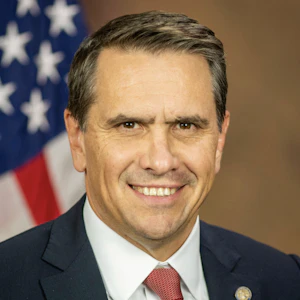
Biography of Deputy Attorney General Todd Blanche
The Honorable Todd Blanche is the 40th Deputy Attorney General of the United States, overseeing the work of the 115,000 dedicated employees who fulfill the Department of Justice’s mission at Main Justice, the FBI, DEA, U.S. Marshals, ATF, and 93 U.S. Attorney’s Offices.
Todd began his career at the Department where he served for over fifteen years in a variety of capacities, including as a contractor, a paralegal in the Criminal Division, and at the United States Attorney’s office for the Southern District of New York where he eventually became an AUSA and later a supervisor.
After leaving the Department, Todd worked as a criminal defense attorney that included representing President Donald Trump in three of the criminal cases brought against him in 2023 and 2024.
Following President Trump’s historic return to the White House, the President appointed Todd to work alongside Attorney General Pam Bondi to make America safe again. At the DOJ, Todd is working tirelessly to implement President Trump’s priorities that include confronting illegal protecting American businesses from fraud.
Todd has been married to his wonderful wife Kristine for nearly thirty years, is a father and grandfather.
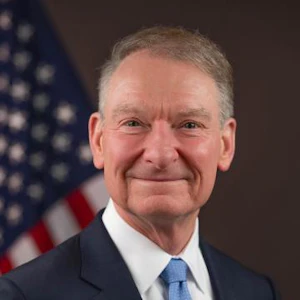
Paul Atkins
Paul Atkins
Prior to returning to the SEC, Chairman Atkins was most recently chief executive of Patomak Global Partners, a company he founded in 2009. Chairman Atkins helped lead efforts to develop best practices for the digital asset sector. He served as an independent director and non-executive chairman of the board of BATS Global Markets, Inc. from 2012 to 2015.
Chairman Atkins was appointed by President George W. Bush to serve as a Commissioner of the SEC from 2002 to 2008. During his tenure, he advocated for transparency, consistency, and the use of cost-benefit analysis at the agency. Chairman Atkins also represented the SEC at meetings of the President’s Working Group on Financial Markets and the U.S.-EU Transatlantic Economic Council. From 2009 to 2010, he was appointed a member of the Congressional Oversight Panel for the Troubled Asset Relief Program.
Before serving as an SEC Commissioner, Chairman Atkins was a consultant on securities and investment management industry matters, especially regarding issues of strategy, regulatory compliance, risk management, new product development, and organizational control.
From 1990 to 1994, Chairman Atkins served on the staff of two chairmen of the SEC, Richard C. Breeden and Arthur Levitt, ultimately as chief of staff and counselor, respectively. He received the SEC’s 1992 Law and Policy Award for work regarding corporate governance matters.
Chairman Atkins began his career as a lawyer in New York, focusing on a wide range of corporate transactions for U.S. and foreign clients, including public and private securities offerings and mergers and acquisitions. He was resident for 2½ years in his firm's Paris office and admitted as conseil juridique in France.
A member of the New York and Florida bars, Chairman Atkins received his J.D. from Vanderbilt University School of Law in 1983 and was Senior Student Writing Editor of the Vanderbilt Law Review. He received his A.B., Phi Beta Kappa, from Wofford College in 1980.
Originally from Lillington, North Carolina, Chairman Atkins grew up in Tampa, Florida. He and his wife Sarah have three sons.

Mike Selig
Mike Selig
Chairman Selig brings to the role deep public and private sector experience working with a wide range of stakeholders across agriculture, energy, financial, and digital asset industries, which rely upon and operate in CFTC-regulated markets.
Prior to his leadership at the CFTC, Chairman Selig most recently served as chief counsel of the Securities and Exchange Commission’s Crypto Task Force and senior advisor to SEC Chairman Paul S. Atkins. In this role, Chairman Selig helped to develop a clear regulatory framework for digital asset securities markets, harmonize the SEC and CFTC regulatory regimes, modernize the agency’s rules to reflect new and emerging technologies, and put an end to regulation by enforcement. He also participated in the President’s Working Group on Digital Asset Markets and contributed to its report on “Strengthening American Leadership in Digital Financial Technology.”
Prior to government service, Chairman Selig was a partner at an international law firm, focusing on derivatives and securities regulatory matters. During his years in private practice, he represented a broad range of clients subject to regulation by the CFTC, including commercial end users, futures commission merchants, commodity trading advisors, swap dealers, designated contract markets, derivatives clearing organizations, and digital asset firms. Chairman Selig advised clients on compliance with the Commodity Exchange Act and the CFTC’s rules and regulations thereunder, including in connection with registration applications and obligations, enforcement matters, and complex transactions.
Chairman Selig earned his law degree from The George Washington University Law School and was articles editor of The George Washington Law Review. He received his undergraduate degree from Florida State University.
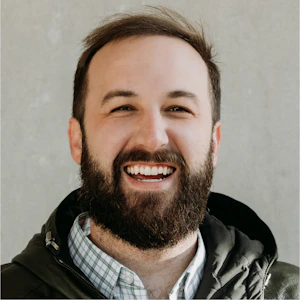
David Bailey
David Bailey

Eric Trump
Eric Trump
Mr. Trump also serves as Executive Vice President of The Trump Organization, where he oversees the global management and operations of the Trump family’s extensive real estate portfolio. This includes Trump Hotels, Trump Golf, commercial and residential real estate, Trump Estates, and Trump Winery. Known for his hands-on leadership and strong market instincts, he has played a key role in expanding the company’s presence across major U.S. and international markets.
A globally recognized business leader and public figure, Mr. Trump is a prominent advocate for Bitcoin and decentralized finance. He is a co-founder of World Liberty Financial, a decentralized finance (DeFi) platform, and serves on the Board of Advisors of Metaplanet, Japan’s largest corporate holder of Bitcoin.
Beyond his business activities, Mr. Trump has helped raise more than $50 million for St. Jude Children’s Research Hospital in the fight against pediatric cancer, a philanthropic mission he began at age 21.
Mr. Trump earned a degree in Finance and Management from Georgetown University. He currently resides in Florida with his wife, Lara, and their two children. He is also the author of Under Siege, his memoir published in October 2025.
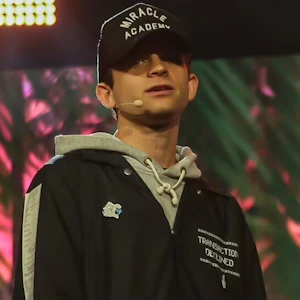
Jack Mallers
Jack Mallers
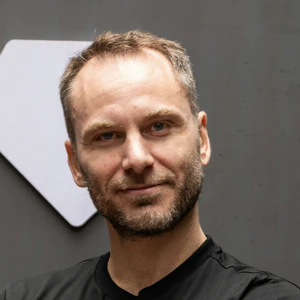
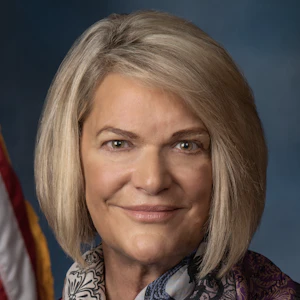
Cynthia Lummis
Cynthia Lummis
As the first-ever Chair of the Senate Banking Subcommittee on Digital Assets, Senator Lummis is the architect of the legislative framework shaping America's digital asset future. She introduced the landmark Lummis-Gillibrand Responsible Financial Innovation Act, the first comprehensive bipartisan crypto regulatory framework in Senate history. She co-authored the GENIUS Act — the first federal stablecoin law ever enacted — and introduced the BITCOIN Act, which would establish a U.S. strategic Bitcoin reserve of up to one million BTC. She is leading the Clarity Act, which will bring long-overdue regulatory certainty to the digital asset industry. She has also championed digital asset tax reform, including a de minimis exemption for small transactions and equal tax treatment for miners and stakers.
Known as Congress' "Crypto Queen," Senator Lummis represents Wyoming — a state she has helped build into one of the most digital asset-friendly regulatory environments in the nation. Before serving in the Senate, she served 14 years in the Wyoming Legislature, eight years as Wyoming State Treasurer, and eight years in the U.S. House. She is a three-time graduate of the University of Wyoming.
Her work represents a crucial bridge between traditional financial systems and the emerging digital economy, ensuring America leads the world in financial innovation while protecting the individual freedoms that define it.
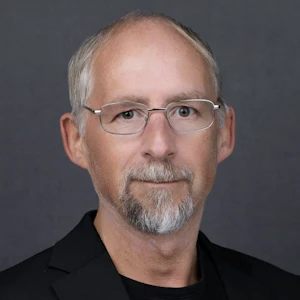
Adam Back
Adam Back
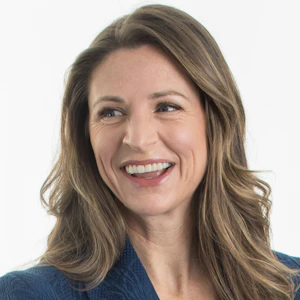
Amy Oldenburg
Amy Oldenburg
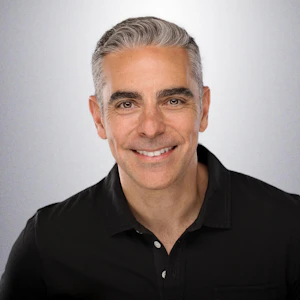
David Marcus
David Marcus

Matt Schultz
Matt Schultz
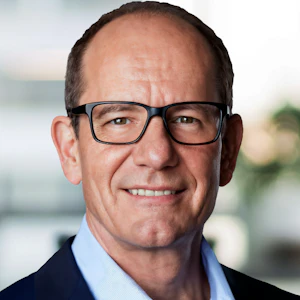
Fred Thiel
Fred Thiel
Throughout his career, Mr. Thiel has consistently driven rapid growth and created substantial shareholder value. Prior to MARA, Mr. Thiel served as the CEO of two other public companies, Local Corporation (NASDAQ: LOCM) and Lantronix, Inc (NASDAQ: LTRX). He has successfully raised billions in equity and debt through private and public offerings, led companies through IPOs, executed high-value exits to strategic and financial acquirers, and implemented effective M&A and roll-up strategies.
Mr. Thiel attended the Stockholm School of Economics and executive classes at Harvard Business School, and is fluent in English, Spanish, Swedish, and French. Mr. Thiel is the Chairman of the Board for Oden Technology, Inc. and is active in Young Presidents’ Organization where he has led initiatives in both the FinTech and Technology Networks.
A recognized voice in the industry, Fred frequently shares his insights on energy and technology with major media outlets like Bloomberg TV, CNBC, and FOX Business, contributing to vital discussions about the future of these sectors.
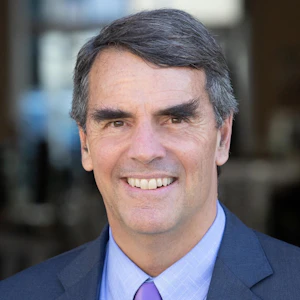
Tim Draper
Tim Draper
He is a supporter and global thought leader for entrepreneurs everywhere, and is a leading spokesperson for Bitcoin and decentralization, having won the Bitcoin US Marshall’s auction in 2014, invested in over 50 crypto companies, and led investments in Coinbase, Ledger, Tezos, and Bancor, among others.
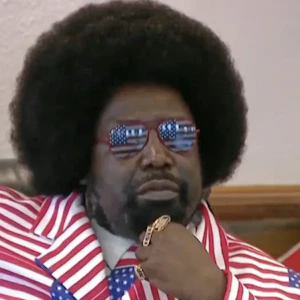
Afroman
Afroman