Derechos de Propiedad Absolutos con Bitcoin
Speakers/Moderators
Jethro Toro
Jethro Toro
Jethro also hosts the Bitcoin Country Podcast, where he highlights the most interesting people and projects visiting and working on hyperbitcoinization in El Salvador.

Alessandro Cecere
Alessandro Cecere
Clara García Prieto
Clara García Prieto
Session
Overview
Derechos de Propiedad Absolutos con Bitcoin reunió a Álvaro D. María, Alessandro Cecere y Clara García Prieto en una conversación en español sobre Bitcoin como una nueva forma de propiedad privada. El panel abordó la autocustodia, la soberanía financiera, la protección del patrimonio y la capacidad de Bitcoin para reducir la dependencia de intermediarios e instituciones tradicionales.
Los participantes conectaron la teoría con experiencias concretas. Alessandro Cecere habló de Venezuela, la hiperinflación y la minería de Bitcoin como herramienta para proteger capital familiar y potencialmente aprovechar recursos energéticos. Álvaro D. María explicó Bitcoin desde la filosofía política, destacando la descentralización, los nodos y la posibilidad de defender propiedad mediante criptografía.
Clara García Prieto aportó una perspectiva legal y tributaria, subrayando que la libertad de autocustodia también exige responsabilidad, especialmente en la planificación de herencias y transmisión patrimonial. La conversación también trató riesgos humanos, políticos y legales, incluyendo regulaciones hostiles, trazabilidad, ataques a la descentralización y respuestas precipitadas ante amenazas como la computación cuántica.
Gracias. Buenos días. Bienvenidos y gracias a todos por acompañarnos en el primer panel de la mañana. Estamos aquí para debatir una de las razones principales por las que Bitcoin es una invención capaz de transformar el mundo: los derechos de propiedad absolutos.
El concepto de propiedad es tan antiguo como la civilización humana. Sin embargo, antes de Bitcoin, la verdadera propiedad era limitada. Podías adquirir activos tangibles como oro o una casa, pero no podías trasladarlos con facilidad en caso de crisis. Podías comprar acciones y bonos, pero no podías ejercer la custodia de los mismos. Podías depositar moneda fiduciaria en un banco, pero además de los riesgos inherentes a confiar en un tercero, tus ahorros se verían devaluados por la inflación.
Ahora, gracias a Bitcoin, puedes resguardar tu patrimonio en el activo más sólido del mundo, registrado en el libro contable más seguro que existe. Eso es algo sumamente poderoso. Esa es la razón por la que decenas de miles de personas han viajado desde todos los rincones del mundo para acompañarnos aquí en Las Vegas durante esta semana. Ese es el motivo por el cual me entusiasma profundizar en este tema junto a nuestros tres distinguidos ponentes. Sin más preámbulos, les invitamos a presentarse. Comencemos contigo, Álvaro.
Muchas gracias a todos. Es un placer estar inaugurando esta conferencia hablando a primera hora. Yo soy Álvaro D. María, soy el autor de La filosofía de Bitcoin y CEO de BTC Consulting 360. Es un placer tenerlos a todos aquí.
Buenos días a todos. Mi nombre es Alessandro. También soy conocido como el Sultán Bitcoin en las redes. Soy venezolano, ingeniero. Empecé en este mundo en 2013 minando Bitcoin en mi casa con una tarjeta de video y básicamente electricidad gratis. A lo largo de los últimos 13 años ayudé a escalar una serie de startups Bitcoin. Hoy en día soy parte del equipo de Luxor Technology, ayudando a escalar operaciones de minería a nivel global.
Hola, mi nombre es Clara García, soy abogada tributaria especializada en Bitcoin y autora de Bitcoin, una nueva forma de propiedad privada, que acaba de salir al mercado hace una semana. Para mí es un orgullo estar rodeada de estos tres ponentes, inaugurar la conferencia, y un gran hito haber conquistado hablar en español en Las Vegas.
Muchas gracias a todos. Alessandro, tu historia minando Bitcoin en Venezuela en 2013 es el punto de partida perfecto para este tema. ¿Cómo fue esa experiencia y cómo conecta con lo que significa propiedad absoluta para alguien que vive en un sistema financiero roto?
Sí, bueno, siendo venezolano, al igual que millones de otros colegas, viví en primera mano lo que puede pasar con tu dinero en semanas cuando el Estado lo puede desaparecer a través de la inflación o la hiperinflación. Entonces, minar Bitcoin para mí fue la primera vez que pude distinguir entre esto no es dinero y esto es la diferencia entre tener dinero que puede ser confiscado y dinero que es realmente mío, que lo tengo yo.
Yo en realidad miné Bitcoin porque quería ayudar a proteger el capital de mi familia. Entonces, mirar Bitcoin como propiedad privada es algo que entendemos naturalmente los venezolanos y los argentinos, porque entramos a Bitcoin no por una opción, sino por supervivencia, por necesidad. Entonces, lo que explica Álvaro en su libro y lo que explica Clara en su libro recién publicado no es una filosofía abstracta. Es una redefinición de lo que es la propiedad privada. Son países como Venezuela y Argentina los que entendemos de primera mano y adoptamos más rápido Bitcoin como propiedad privada por esa razón.
Muchas gracias. Álvaro, tu libro plantea que Bitcoin redefine el derecho de propiedad de forma absoluta y reta la legitimidad del Estado. Para alguien que no viene del mundo de la filosofía política, ¿cómo se explica esa tesis en términos concretos?
Históricamente, toda la propiedad siempre ha estado defendida por la violencia de alguna manera. Si yo tengo cualquier clase de propiedad y alguien me la ataca, tengo que recurrir a las fuerzas del Estado para que proteja mi propiedad. Eso tiene unos costes enormes. Tienes que tener jueces, sistemas de policía, ejércitos, notarios y registros de la propiedad específicos.
¿Qué hace Bitcoin? Bitcoin es un registro de la propiedad con el que yo interactúo simplemente mediante unas claves. Eso es lo que me permite, por primera vez en la historia, que mi propiedad dependa simplemente del conocimiento de un texto. Esto es un salto enorme en la historia de la propiedad, porque ese simple hecho de tener un registro de la propiedad descentralizado, con el que interactúo con un texto, permite que mi propiedad sea un secreto. Me permite controlar mi propiedad de forma absoluta y, si no quiero revelar esa información con nadie más, la puedo mantener.
El alcance tan grande que tiene esa transformación en la propiedad se ve muy bien, por ejemplo, con la herencia. En los sistemas de herencia actuales no podemos dejar en herencia lo que queramos con privacidad. Tenemos que pasar por canales institucionales para dejar algo en herencia. Con Bitcoin simplemente tengo que transmitir a mis herederos un conjunto de palabras y ellos van a poder acceder a toda la riqueza que yo quiera, con privacidad y con libertad completa. Esto es un salto enorme en la propiedad y va a afectar a todas las demás instituciones de la propiedad.
¿Dónde afecta esto al Estado? El Estado se caracteriza por ser soberano. La soberanía es un control jurídico-político absoluto sobre el territorio. Si yo tengo una forma de propiedad nueva que permite que el Estado no me pueda quitar mi propiedad, tengo algo que por primera vez en la historia acaba con la soberanía del Estado. Eso es un desafío gigantesco. Si lo vemos a nivel individual, es un salto importante porque puedo protegerme y gano poder de negociación frente al Estado. Pero si lo vemos a nivel agregado, cambia completamente el poder de negociación social frente al poder político. Ese es el salto gigantesco que creo que tiene Bitcoin a lo largo de la historia como nueva forma de propiedad: darnos una manera de desafiar a los estados y sentarnos en la mesa a negociar por nuestros derechos y por la libertad política.
Gracias. Clara, como abogada tributaria especializada en Bitcoin, ¿cómo ves la protección legal de la propiedad en Bitcoin hoy? ¿Y dónde están los mayores vacíos o riesgos legales para el titular individual?
Para mí, Bitcoin es una nueva forma de propiedad privada. Para una jurista, entender que el reconocimiento de algo no dependía de una institución jurídica, como puede ser un registro centralizado o un notario, fue un choque porque rompía todos los patrones que yo había estudiado. Ver que esa propiedad dependía del conocimiento de unas palabras y de la criptografía fue para mí una auténtica revolución.
¿Dónde veo un mayor riesgo? Si Bitcoin introduce una nueva forma de propiedad privada, también introduce una nueva forma de transmisión. Tan importante es tener un patrimonio como proteger ese patrimonio. Si yo os digo que vuestros hijos no van a poder acceder a ese patrimonio, os asustaríais. Eso puede suceder con Bitcoin. Ahí está el riesgo real. Si no dejamos la forma de transmisión prevista, vuestros hijos no podrían acceder.
Por eso hay que dejar hecho un plan de transmisión. Acabamos de introducir una auténtica revolución: no dependemos de ningún tercero de confianza. Pero la cara de la moneda de cuando tenemos libertad es la responsabilidad. Como no vamos a tener a alguien a quien recurrir para preguntar si nuestros padres, herederos o causantes tenían patrimonio, es importante dejarlo previsto con el fin y el objetivo de poder acceder a esa riqueza que hemos construido con tanto cariño.
Gracias. Alessandro, Venezuela tiene uno de los mayores potenciales energéticos del mundo y las licencias OFAC ya están emitidas. ¿Cuál es el estado real de las conversaciones para que el capital americano entre al mercado? ¿Y cuál es tu rol en ese proceso?
Sí, bueno, un poco de contexto. Venezuela tiene una capacidad instalada de generación de 36 gigavatios contra una demanda histórica de pico de 17 gigavatios. Actualmente, 13 gigavatios es el máximo de la demanda nacional. Parte de la infraestructura está comprometida y tiene que ser refinanciada y actualizada. Pero Venezuela podría pasar de tener un déficit energético a un excedente energético.
El estado actual de las conversaciones: estamos hablando con el equipo de María Corina Machado para poder incluir a la minería de Bitcoin dentro del plan de recuperación económica de 150 mil millones de dólares que está construyendo su equipo para Venezuela. Se habla poco de esto, pero la minería de Bitcoin tiene carácter de emergencia nacional para la red eléctrica venezolana. Al mismo tiempo, estamos en conversaciones con los mejores ingenieros electricistas del país, que construyeron en su momento, en los 70, 80 y 90, lo que se llama el sistema eléctrico nacional venezolano.
El capital americano ya está entrando porque, como bien lo mencionaste, Estados Unidos ya emitió una serie de licencias que reducen y alivian las sanciones al país, a la empresa estatal de petróleo y otras. Ya está entrando el capital. Lo que hace falta es que los operadores de minería del extranjero traten a Venezuela como un ítem activo en su pipeline y no como un futuro veremos si puede llegar a suceder.
Gracias. Álvaro, desde la filosofía política, ¿qué diferencia a Bitcoin de otras herramientas de resistencia financiera que han existido a lo largo de la historia? ¿Y por qué crees que esta vez es diferente?
Es una innovación histórica inmensa, especialmente en la parte de la propiedad. Hay un artículo que suelo recomendar para ver el alcance histórico que tiene esto. En 1987 se escribió un artículo que se llama De las ballestas a la criptografía. ¿Qué plantea ese artículo, mucho antes de Bitcoin? Plantea que el campesino promedio no podía defender su propiedad de un caballero, porque tenía herramientas muy básicas.
¿Cuándo cambia eso? Cambia en el momento en que aparece la ballesta, porque la ballesta es muy económica. No necesitas un entrenamiento muy fuerte para poder utilizarla y te permite atravesar la armadura del caballero, atravesar al propio caballo y derribarlo. Entonces, de repente, el campesino que no tenía ninguna herramienta para proteger su propiedad y tenía que entregarla toda o aceptar las condiciones que le impusiesen, gana mucho poder de negociación porque puede defenderla de forma activa.
El artículo plantea qué pasaría si, gracias a la criptografía, pudiésemos proteger nuestra propiedad haciéndola un secreto. Para ver el salto tan grande que es: si los campesinos hubiesen tenido Bitcoin, no habrían necesitado la ballesta, porque podrían haber hecho de su propiedad un secreto que no podían quitarles.
Ese salto gigantesco en la defensa de la propiedad creo que Bitcoin lo redefine de forma perfecta, porque resuelve los problemas necesarios y te da acceso a una forma de propiedad que puedes proteger sin dilución, con una oferta fija y con una capacidad increíble para hacerlo. Claro, esas propiedades las tienes con autocustodia y con privacidad, y eso implica hacer ciertos deberes con Bitcoin. Porque si tú has comprado ese Bitcoin en un exchange, puede ser confiscado de forma mucho más sencilla, porque saben la información del Bitcoin que tienes y eso te abre la puerta a la extorsión. Si no sabes hacer bien la autocustodia, puedes cometer errores que lleven a la pérdida de los fondos.
Entonces, unos pequeños deberes, un pequeño pasito con la autocustodia, te da una ventaja significativa enorme, porque te convierte ya no en alguien que sabe utilizar una ballesta, sino en alguien que sabe utilizar o dominar el equivalente a la pólvora.
Gracias. Clara, el marco legal para Bitcoin como propiedad varía enormemente entre países de habla hispana. ¿Dónde ves los entornos más favorables hoy y cuáles son las banderas rojas para un tenedor individual?
Cada jurisdicción puede vincularse o tener cierto acercamiento a Bitcoin. Donde estoy más familiarizada es en España, y ahí sucede lo siguiente: en España o en cualquier país del mundo, tú no puedes prohibir eficazmente Bitcoin, pero sí lo puedes moldear. Y es a través de su fiscalidad.
¿Qué ocurre cuando haces una fiscalidad hostil? Expulsas no a la gente que tiene Bitcoin, porque al final es un activo global, sino a la gente que vas a traer a tu jurisdicción. Entonces, siempre que tengamos una fiscalidad con mucha más seguridad jurídica, que no se intensifiquen los hechos imponibles y que exista esa conservación de querer atraer talento o dejar ese legado hacia nuestro país, podríamos introducir esa parte.
Por ir concluyendo, el mayor riesgo legal es tener Bitcoin y no poder usarlo. Esto ocurre cuando lo quieres encajar dentro de un Estado y aparece la trazabilidad.
Gracias. Una pregunta para todos: Álvaro, Alessandro, Clara, una frase de cada uno. ¿Cuál es la mayor amenaza real a la propiedad en Bitcoin hoy, no técnica, sino humana, política o legal?
Para ver esto, creo que es importantísimo entender que la propiedad en Bitcoin se garantiza por la descentralización. La mayor parte de los sistemas de propiedad globales tienen sistemas de propiedad centralizados que controlan los estados. Cualquier ataque a la descentralización va a ser un ataque a la propiedad de Bitcoin, y eso es importante tenerlo muy en cuenta.
La red de Bitcoin está garantizada esencialmente por los nodos. Entonces es muy importante que un nodo sea económico, barato y accesible, para que cualquier persona en cualquier parte del mundo pueda formar parte de la red. Todos los sistemas que garantizan la propiedad incurren en unos costes gigantescos, como lo que comentaba antes: jueces, policía, notarios. Hay países de Latinoamérica, África y Asia que no se pueden permitir eso. No tienen acceso a esa forma de propiedad, o tienen una propiedad muy debilitada. En los países desarrollados tenemos unos impuestos gigantescos para sostener ese sistema.
Lo que está instaurando Bitcoin son derechos de propiedad en todo el mundo para cualquiera, independientemente del país en el que esté. Le está dando seguridad jurídica sobre su propiedad. Eso es una ventaja enorme. Pero para mantener esa ventaja hay que garantizar que esa descentralización se mantenga.
¿Dónde puede haber una amenaza? Creo que puede haber una amenaza no tanto en el riesgo cuántico, del que se habla mucho, sino en que por miedo a ese riesgo cuántico se tomen medidas improvisadas sobre el código que no sean oportunas y que afecten a la descentralización real de Bitcoin, porque afecten a la parte de los nodos, a la información que tienen que almacenar y demás. Creo que precipitarse en la gestión de ciertos riesgos puede ser peor que esos supuestos riesgos.
Gracias. Alessandro.
Yo creo que hay definitivamente un elemento tecnológico, dialogado con todo este tema de la computación cuántica. No soy el mejor experto para comentar a profundidad sobre esa perspectiva. Pero si pudiera agregar algo, siendo venezolano: Bitcoin es el enemigo del Estado y el Estado es el enemigo de Bitcoin.
Viniendo de un Estado opresivo, yo logré salvar a mi familia literalmente gracias a Bitcoin durante más de una década. Si no hubiera entrado en este mundo, probablemente seríamos pobres. Los estados opresivos, como el venezolano actual, socialista, comunista, etcétera, buscan limitar la libertad de las personas. Eso es lo que buscaron hacer con millones de venezolanos. Pero Bitcoin tiene una forma natural de sobrepasar eso y, de repente, el Estado no tiene forma de hacerle fuerza a Bitcoin en ese sentido.
Por último, si pudiera cerrar con una cosa: la soberanía financiera no es un término filosófico que flota en internet. Eso existe, y existe gracias a Bitcoin hoy en día. Los venezolanos y los argentinos somos los mejores ejemplos de cómo se puede abrazar esa soberanía financiera en realidad.
Gracias. Clara.
Bitcoin al final es código. Y lo importante aquí son esos dos roles complementarios que comentaba Álvaro. Por una parte, la minería. La minería es lo que nos garantiza que con esa energía podamos seguir avanzando.
Luego está el otro rol, que son los nodos. Los nodos al final son como la policía. Es decir, esa policía que verifica si lo que estás metiendo en esas transacciones es correcto. Al final es muy importante cómo está construido ese sistema, que está adoptado y corre sobre una base matemática. No es tan importante aquella regulación que reconozca Bitcoin como tal, sino que tenemos que tener en cuenta que lo más importante es la red sobre la que corre Bitcoin, porque es lo que va a hacer duradero esto. Y tú haces duradero algo cuando le pones energía y le das tiempo. Con eso lo tenemos todo.
Gracias. Nuestro panel llega a su fin. Una vez más, agradecemos a nuestros ponentes por compartir con nosotros su conocimiento y su experiencia. Muchas gracias.
Gracias también a todos los asistentes que han viajado desde distintas partes del mundo para reunirse con nosotros en este lugar. Bitcoin es propiedad, es libertad, es el dinero del futuro mejor. Me entusiasma enormemente estar en la primera línea de su adopción junto a todos ustedes. Disfruten del resto de la conferencia. Gracias.
Similar
Sessions
Derechos de Propiedad Absolutos con Bitcoin
Jethro Toro
Jethro Toro
Jethro also hosts the Bitcoin Country Podcast, where he highlights the most interesting people and projects visiting and working on hyperbitcoinization in El Salvador.
Alessandro Cecere
Alessandro Cecere
Clara García Prieto
Clara García Prieto
Derechos de Propiedad Absolutos con Bitcoin
Speakers/Moderators
Jethro Toro
Jethro Toro
Jethro also hosts the Bitcoin Country Podcast, where he highlights the most interesting people and projects visiting and working on hyperbitcoinization in El Salvador.
Alessandro Cecere
Alessandro Cecere
Clara García Prieto
Clara García Prieto
Bitcoin & The Rise of Emerging Market Energy Economies

Susie Violet Ward
Susie Violet Ward

Timo Steipe
Timo Steipe
As the founder of MIM, Timo aims to democratize the Bitcoin mining industry and make it accessible to every enthusiast in Europe. His commitment to decentralization and his expertise continue to drive innovation in Bitcoin mining.
Alessandro Cecere
Alessandro Cecere
Daniel Jonsson
Daniel Jonsson
A passionate miner since 2017, Daniel has been active in the industry founding and leading companies such as mgmt Energy (formerly GreenBlocks), a bitcoin mining company and Viska Digital Assets, Iceland's first digital asset focused hedge fund.
Daniel has been an active angel investor in recent years.
Daniel is a firm believer in proof of work and doing hard things.
Bitcoin & The Rise of Emerging Market Energy Economies
Speakers/Moderators
Susie Violet Ward
Susie Violet Ward
Timo Steipe
Timo Steipe
As the founder of MIM, Timo aims to democratize the Bitcoin mining industry and make it accessible to every enthusiast in Europe. His commitment to decentralization and his expertise continue to drive innovation in Bitcoin mining.
Alessandro Cecere
Alessandro Cecere
Daniel Jonsson
Daniel Jonsson
A passionate miner since 2017, Daniel has been active in the industry founding and leading companies such as mgmt Energy (formerly GreenBlocks), a bitcoin mining company and Viska Digital Assets, Iceland's first digital asset focused hedge fund.
Daniel has been an active angel investor in recent years.
Daniel is a firm believer in proof of work and doing hard things.
The Philosophy of Bitcoin / Would Mao Hold Bitcoin?
Roger Huang
Roger Huang
The Philosophy of Bitcoin / Would Mao Hold Bitcoin?
Speakers/Moderators
Roger Huang
Roger Huang
Other
Speakers
Michael Saylor
Michael Saylor
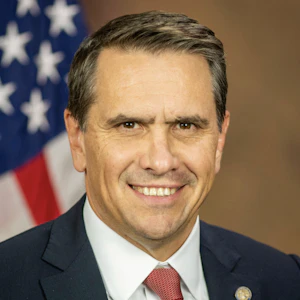
Todd Blanche
Todd Blanche
Biography of Deputy Attorney General Todd Blanche
The Honorable Todd Blanche is the 40th Deputy Attorney General of the United States, overseeing the work of the 115,000 dedicated employees who fulfill the Department of Justice’s mission at Main Justice, the FBI, DEA, U.S. Marshals, ATF, and 93 U.S. Attorney’s Offices.
Todd began his career at the Department where he served for over fifteen years in a variety of capacities, including as a contractor, a paralegal in the Criminal Division, and at the United States Attorney’s office for the Southern District of New York where he eventually became an AUSA and later a supervisor.
After leaving the Department, Todd worked as a criminal defense attorney that included representing President Donald Trump in three of the criminal cases brought against him in 2023 and 2024.
Following President Trump’s historic return to the White House, the President appointed Todd to work alongside Attorney General Pam Bondi to make America safe again. At the DOJ, Todd is working tirelessly to implement President Trump’s priorities that include confronting illegal protecting American businesses from fraud.
Todd has been married to his wonderful wife Kristine for nearly thirty years, is a father and grandfather.
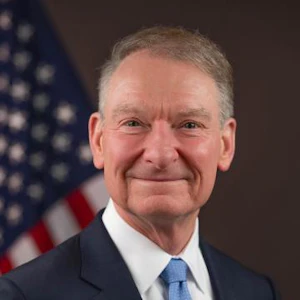
Paul Atkins
Paul Atkins
Prior to returning to the SEC, Chairman Atkins was most recently chief executive of Patomak Global Partners, a company he founded in 2009. Chairman Atkins helped lead efforts to develop best practices for the digital asset sector. He served as an independent director and non-executive chairman of the board of BATS Global Markets, Inc. from 2012 to 2015.
Chairman Atkins was appointed by President George W. Bush to serve as a Commissioner of the SEC from 2002 to 2008. During his tenure, he advocated for transparency, consistency, and the use of cost-benefit analysis at the agency. Chairman Atkins also represented the SEC at meetings of the President’s Working Group on Financial Markets and the U.S.-EU Transatlantic Economic Council. From 2009 to 2010, he was appointed a member of the Congressional Oversight Panel for the Troubled Asset Relief Program.
Before serving as an SEC Commissioner, Chairman Atkins was a consultant on securities and investment management industry matters, especially regarding issues of strategy, regulatory compliance, risk management, new product development, and organizational control.
From 1990 to 1994, Chairman Atkins served on the staff of two chairmen of the SEC, Richard C. Breeden and Arthur Levitt, ultimately as chief of staff and counselor, respectively. He received the SEC’s 1992 Law and Policy Award for work regarding corporate governance matters.
Chairman Atkins began his career as a lawyer in New York, focusing on a wide range of corporate transactions for U.S. and foreign clients, including public and private securities offerings and mergers and acquisitions. He was resident for 2½ years in his firm's Paris office and admitted as conseil juridique in France.
A member of the New York and Florida bars, Chairman Atkins received his J.D. from Vanderbilt University School of Law in 1983 and was Senior Student Writing Editor of the Vanderbilt Law Review. He received his A.B., Phi Beta Kappa, from Wofford College in 1980.
Originally from Lillington, North Carolina, Chairman Atkins grew up in Tampa, Florida. He and his wife Sarah have three sons.

Mike Selig
Mike Selig
Chairman Selig brings to the role deep public and private sector experience working with a wide range of stakeholders across agriculture, energy, financial, and digital asset industries, which rely upon and operate in CFTC-regulated markets.
Prior to his leadership at the CFTC, Chairman Selig most recently served as chief counsel of the Securities and Exchange Commission’s Crypto Task Force and senior advisor to SEC Chairman Paul S. Atkins. In this role, Chairman Selig helped to develop a clear regulatory framework for digital asset securities markets, harmonize the SEC and CFTC regulatory regimes, modernize the agency’s rules to reflect new and emerging technologies, and put an end to regulation by enforcement. He also participated in the President’s Working Group on Digital Asset Markets and contributed to its report on “Strengthening American Leadership in Digital Financial Technology.”
Prior to government service, Chairman Selig was a partner at an international law firm, focusing on derivatives and securities regulatory matters. During his years in private practice, he represented a broad range of clients subject to regulation by the CFTC, including commercial end users, futures commission merchants, commodity trading advisors, swap dealers, designated contract markets, derivatives clearing organizations, and digital asset firms. Chairman Selig advised clients on compliance with the Commodity Exchange Act and the CFTC’s rules and regulations thereunder, including in connection with registration applications and obligations, enforcement matters, and complex transactions.
Chairman Selig earned his law degree from The George Washington University Law School and was articles editor of The George Washington Law Review. He received his undergraduate degree from Florida State University.
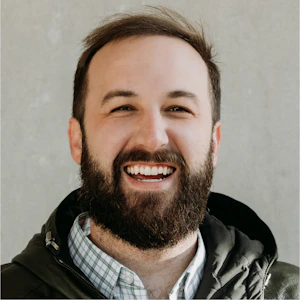
David Bailey
David Bailey

Eric Trump
Eric Trump
Mr. Trump also serves as Executive Vice President of The Trump Organization, where he oversees the global management and operations of the Trump family’s extensive real estate portfolio. This includes Trump Hotels, Trump Golf, commercial and residential real estate, Trump Estates, and Trump Winery. Known for his hands-on leadership and strong market instincts, he has played a key role in expanding the company’s presence across major U.S. and international markets.
A globally recognized business leader and public figure, Mr. Trump is a prominent advocate for Bitcoin and decentralized finance. He is a co-founder of World Liberty Financial, a decentralized finance (DeFi) platform, and serves on the Board of Advisors of Metaplanet, Japan’s largest corporate holder of Bitcoin.
Beyond his business activities, Mr. Trump has helped raise more than $50 million for St. Jude Children’s Research Hospital in the fight against pediatric cancer, a philanthropic mission he began at age 21.
Mr. Trump earned a degree in Finance and Management from Georgetown University. He currently resides in Florida with his wife, Lara, and their two children. He is also the author of Under Siege, his memoir published in October 2025.

Jack Mallers
Jack Mallers
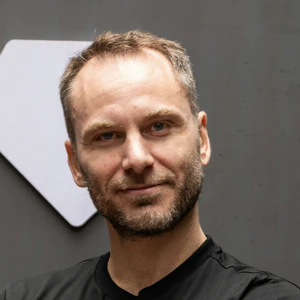
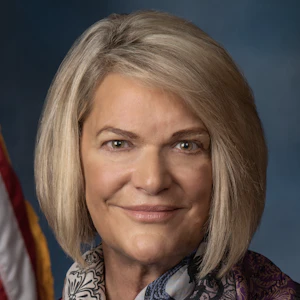
Cynthia Lummis
Cynthia Lummis
As the first-ever Chair of the Senate Banking Subcommittee on Digital Assets, Senator Lummis is the architect of the legislative framework shaping America's digital asset future. She introduced the landmark Lummis-Gillibrand Responsible Financial Innovation Act, the first comprehensive bipartisan crypto regulatory framework in Senate history. She co-authored the GENIUS Act — the first federal stablecoin law ever enacted — and introduced the BITCOIN Act, which would establish a U.S. strategic Bitcoin reserve of up to one million BTC. She is leading the Clarity Act, which will bring long-overdue regulatory certainty to the digital asset industry. She has also championed digital asset tax reform, including a de minimis exemption for small transactions and equal tax treatment for miners and stakers.
Known as Congress' "Crypto Queen," Senator Lummis represents Wyoming — a state she has helped build into one of the most digital asset-friendly regulatory environments in the nation. Before serving in the Senate, she served 14 years in the Wyoming Legislature, eight years as Wyoming State Treasurer, and eight years in the U.S. House. She is a three-time graduate of the University of Wyoming.
Her work represents a crucial bridge between traditional financial systems and the emerging digital economy, ensuring America leads the world in financial innovation while protecting the individual freedoms that define it.
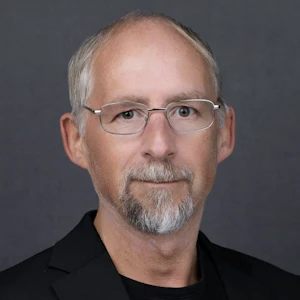
Adam Back
Adam Back
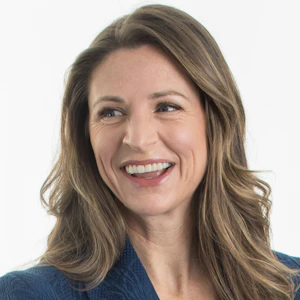
Amy Oldenburg
Amy Oldenburg
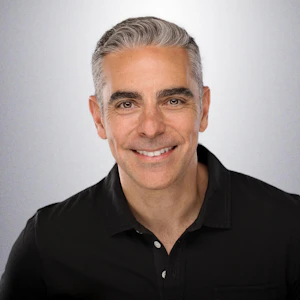
David Marcus
David Marcus

Matt Schultz
Matt Schultz
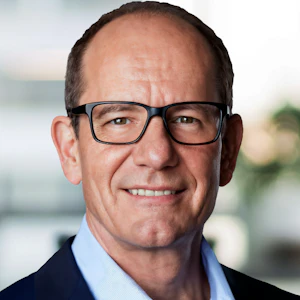
Fred Thiel
Fred Thiel
Throughout his career, Mr. Thiel has consistently driven rapid growth and created substantial shareholder value. Prior to MARA, Mr. Thiel served as the CEO of two other public companies, Local Corporation (NASDAQ: LOCM) and Lantronix, Inc (NASDAQ: LTRX). He has successfully raised billions in equity and debt through private and public offerings, led companies through IPOs, executed high-value exits to strategic and financial acquirers, and implemented effective M&A and roll-up strategies.
Mr. Thiel attended the Stockholm School of Economics and executive classes at Harvard Business School, and is fluent in English, Spanish, Swedish, and French. Mr. Thiel is the Chairman of the Board for Oden Technology, Inc. and is active in Young Presidents’ Organization where he has led initiatives in both the FinTech and Technology Networks.
A recognized voice in the industry, Fred frequently shares his insights on energy and technology with major media outlets like Bloomberg TV, CNBC, and FOX Business, contributing to vital discussions about the future of these sectors.
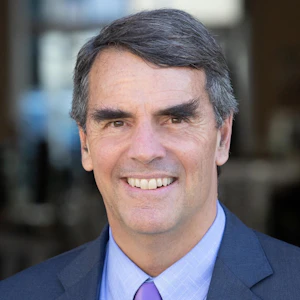
Tim Draper
Tim Draper
He is a supporter and global thought leader for entrepreneurs everywhere, and is a leading spokesperson for Bitcoin and decentralization, having won the Bitcoin US Marshall’s auction in 2014, invested in over 50 crypto companies, and led investments in Coinbase, Ledger, Tezos, and Bancor, among others.

Afroman
Afroman