Preparing to Take a Bitcoin Company Public
Speakers/Moderators
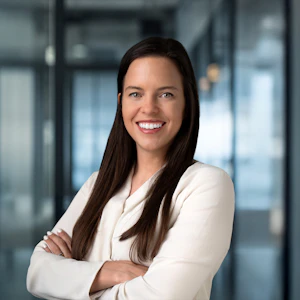
Anne Peetz
Anne Peetz
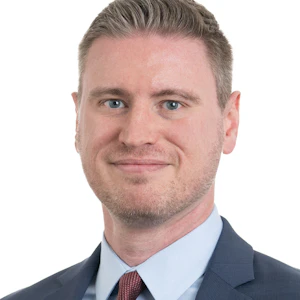
David Lange
David Lange
David leads Weaver’s blockchain and digital assets advisory practice and also drives the strategy and execution of SOX and internal audit programs for clients in the asset management, life sciences and commercial industries. He partners with senior leadership teams to prioritize and address risk across all three lines of defense, integrating financial, operational and technology perspectives.
He is a member of the Institute of Internal Auditors (IIA) and holds the Certified Internal Auditor (CIA) and Certified Blockchain and Digital Assets Professional (CBDA) designations. David earned a Bachelor of Business Administration in financial services and planning from Baylor University.

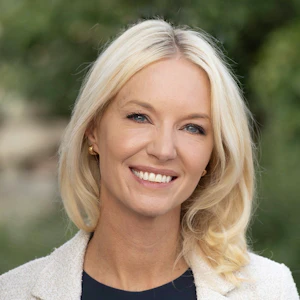
Jody Mettler
Jody Mettler
Prior to joining BitGo, Jody was the Director of Global Transformation at Citicorp. She spent over 20 years with Citicorp in various capacities ranging from corporate accounting to operations management primarily within the Institutional Client Group servicing large corporations to develop payment facilitation methods.
Jody also served as a member of the Board of Directors for Citicorp South Dakota Trust Company and is a member of the digital asset legislative task force to facilitate trust administration digital asset laws.
Session
Overview
Moderated by Anne Peetz of Reed Smith LLP, this panel focused on what Bitcoin and digital asset companies need to consider before becoming public companies. Jody Mettler of BitGo Trust, Jonathan Kirkwood, and David Lange of Weaver discussed the practical realities of IPO readiness, public company operations, SEC review, audit requirements, and investor expectations.
The conversation emphasized that going public can provide transparency, credibility, access to capital, and new business opportunities, but it also brings significant cost, scrutiny, documentation requirements, and personal accountability for executives. The panelists noted that Bitcoin companies face additional challenges because investors, analysts, auditors, and regulators may still need repeated education on business models, custody, digital asset risks, and related controls.
Key themes included the need for audited financials, mature internal controls, experienced advisors, strong finance and risk teams, and careful timing around market windows and regulatory conditions. The panelists warned that companies often underestimate the people, process, and readiness work required, and advised businesses to plan well before they intend to enter the public markets.
All right, welcome, everyone. We'll get started. My name is Anne Peetz, and I'm a partner at Reed Smith. I am here to moderate this panel.
We've got a great lineup for you and a lot of different perspectives on going public and operating as a public company. I will let our other panelists introduce themselves and tell you about their companies quickly.
Hi, I'm Jody Mettler. I'm the chief operating officer of BitGo and also the president of our custody business. BitGo is a digital asset infrastructure company. We've been around since 2013. We actually had the amazing opportunity to take it public earlier this year, so I'm really excited to be here.
Jonathan Kirkwood, co-founder of Ten31, an investment platform that invests in businesses that touch Bitcoin. We invest in companies that range from pre-seed to public and also do credit. So anything from mining, mining-related infrastructure, financial services, security hardware, really anything that touches Bitcoin to help push the space forward.
David Lange. I lead risk advisory at Weaver. Most of my career has been working with companies on IPO readiness and audit readiness. I've also worked with a lot of companies that are already public but are having some sort of audit or regulatory issue. I'm not an auditor. I speak auditor. I also speak normal people, so I'm happy to share my perspective.
You're the translator.
All right, well, let's get started. Pros and cons of being a public company. Jody, this one's for you. What has changed in your day-to-day, apart from getting an influx of cash?
Well, the cash was nice. The day-to-day hasn't really changed. I think it's evolved. We've always been a growth company. We've always been working toward how to build this community, the Bitcoin community, the digital asset community. What's changed since being public is that our employees in general understand that their work directly impacts the value of our business and what we're producing out there. To have that as a public company, and not just a private company where you feel like you're working behind the scenes, that's really what's evolved for us.
Tell me about some of the cost perspective. David, from an auditor's standpoint, talk about the cost of being an ongoing public company.
It's there. And it sucks. It really depends as well on the state and maturity before you go public. To layer on what Jody was just saying, when you're public, you answer to the SEC, and their whole mandate is all about protecting the investor. That's done through transparency and reliability, which are things that sound fine in the abstract. But until you actually live it, you don't understand how much that can truly impact your day-to-day operations.
Starting with the moment you want to file an S-1, you have to have two years of audited financials. If you haven't been through that before, the level of documentation, the number of extremely detailed questions, and the number of conversations you get pulled into is shocking to a lot of companies that aren't ready for it. And that's just the entry fee. You now get to do this every year from now on until you become private again, and it just doesn't go down from there.
Something a lot of companies aren't aware of, especially less mature companies, is that their auditors actually get audited as well. It all goes back to the SEC wanting to protect investors. Each year, auditors audit your auditors. They have findings. It impacts how they audit you, all with the goal that what's being reported can be relied upon by investors.
Something to think about, too, if anybody in the crowd is considering going public, one of the bigger issues we run into with timing is if you've had a lot of recent acquisitions in the last two years. Depending on the size of the acquisitions, you may need audited financial statements for the companies or businesses you've acquired. That always surprises people, so keep that in mind.
Jonathan, this one's for you. With private credit, and I think an earlier panel talked about this, there's a lot more opportunity now where traditionally people just looked to the public markets. I would like your input on companies and whether maybe it is better to stay private.
The best answer is always, it depends.
You sound like a lawyer.
Being public, there's always the elusive deep, liquid capital pools that you're going to be able to access. They're there, and you have to find them. Think of the public market as an amplification. If you're a great company, if you're producing significant revenues and cash flow, then yes, you have these audited financials, you have transparency, and private lenders are more willing to take on the risk to provide you the capital. That's absolutely true.
On the counter to that, if you're a company looking to the public markets to try to find capital because you don't have an overwhelmingly thriving business, you're going to starve. You should stay private at that time and work on your business.
There are phenomenal businesses that are private and are huge, like Koch or Cargill. You don't necessarily have to be public to be gargantuan. But when you are in the public markets, having that transparency means people are better able to underwrite the risk in order to provide you capital for growth.
Going public is expensive. It takes a lot of time, but there are also a lot of unique risks and considerations when you're in this space. Jody, would you talk to us a little bit about what makes it harder to go public in this space versus maybe some other industries?
The process is still the same. We're still held to all of the things we've just talked about here. What makes it harder for anybody in this space is that you have to explain what you do. The people on the other end who are investing in you, who are going to support you, who are going to be your analysts, need to understand what you do.
It is explaining and re-explaining to people who don't understand digital assets and don't understand Bitcoin. Having those conversations repeatedly is one of the biggest challenges. Post-public, it's a continued conversation. You're going to have to continue to re-explain to people. Some people on the retail side absolutely get it. They're the ones following us. They're the ones buying it on Robinhood. But it's the institutional investors that you have to continue to re-explain what you do to. Even if it seems simple to you, they need to understand it to want to invest in you.
David, talk to us about, from an accounting standpoint, how this industry is a little bit trickier than others.
I'd probably give the same answer as Jody. It really comes down to this still being very much an emerging area. On the company's side, there are a lot of very smart people, and many of them had very fortunate timing. There has been this period of very rapid, explosive growth where the maturity of their operations hasn't kept pace. There's a big disconnect between what they look like from a numbers standpoint versus how they actually operate and whether they can stand up to that public level of scrutiny.
On the other side of the same coin, from an audit standpoint, it's still an emerging area there as well. That's gotten better in the last year or two, but a lot of these audit firms will have you working directly with their national office because this is a space that a lot of partners are learning as they go. They're having to decide how they audit it as they go.
Again, trying to explain to people what they should care about and why, and where the risk really is, is a conversation that you have repeatedly. Depending on who you're working with, it can go in very different directions. That's really what separates this particular sector.
From a regulatory perspective, the people making the rules don't always move quickly, and Bitcoin and crypto don't really fit neatly into the rules right now. We're all waiting for a lot more to come. There has been a lot of movement in the last five years from that standpoint, but it's hard from a public company perspective to try to get it right when there aren't direct rules.
You're getting a lot of recent SEC guidance. You can look at what other companies have done to see how the SEC might have viewed something, but until you have actual rules that are applicable and make sense, you are in a bit of limbo, which can complicate things in this industry.
So how do you know you're ready? David, this one's for you to start out. What do you look for, or what are your first pieces of guidance and initial discussions with a company that's considering going public?
From an audit standpoint, are you audit ready? It's that simple. But let me talk about what audit ready actually means. If I say audit, most of you probably have this idea that there's a set of financials and an auditor has come in, beat it up, and said that at least to a material level, yes, these are accurate. They've gone through and beat up what has happened. That is true. That's what you get to do every year.
The neat part is that when you're public, now you're also responsible for what could happen, whether it did or did not. You are expected to have a set of processes and internal controls in place that would prevent something significant from going wrong, whether that's an error, a fraud, intentional or unintentional. It doesn't matter.
Once you hit a certain size, that actually becomes part of your audit. Your auditor comes in and beats up your financials, but then they also beat up your processes. They beat up your governance because they have to sign a second opinion saying whether they agree or don't agree that you have the right things in place.
That's a bit of a paradigm shift for a lot of companies. We're not just looking backward. We're also being held accountable for what could happen.
Most companies, when they go public, don't start at that size. But every company, regardless of that, every quarter, the executive officers, typically the CEO and CFO, are required to sign a disclosure that says, yes, we have these processes in place. Yes, we've evaluated them. Yes, they're effective, or no, they're not. If they're not, here's what's wrong. Then they have to disclose publicly with the SEC for investors where they have these big weakness areas.
Why I bring that up is that yes, you're signing for the company's financials, but you're signing with your name, and there's personal liability here. What tends to go into the headlines are major fraud cases or major errors. But if you look it up, there are a lot of cases where individuals have had to pay steep SEC fines, have been barred from serving in a public company, or in some extreme cases have had to go to prison. It's because one of these things they signed off on came out to not be accurate.
It may have had nothing to do with anything actually going wrong. There was no fraud. There was no mistake. But they signed their name that they did these things, and it came out later that they didn't.
So when I think of audit readiness, it's that you have processes and you've closed that maturity gap so that, one, you are auditable, but from both sides of the equation. You can sign these things and have work to support it, and you have governance on top of it to run that. That's why companies like BitGo are in a very good position to go public. There are others that are on the other side of the spectrum. So, a little bit of a long answer.
I'll go for maybe a little bit more of a fun answer on why or when companies should go public. When we put the deal together for Fold to be able to be the first pure-play public Bitcoin company two and a half years ago, we did that because it was a catalytic transaction for Fold.
The business had been around for six years. It was doing well. It was generating a decent amount of revenue, but it was a Bitcoin company. It had operated with Bitcoin, and this was back in 2023. Now that it is a public company, it is transparent. It has to report every quarter. The doors we can knock on, the doors being opened, the rooms we are in, and the discussions are night and day different.
Instead of us trying to get into a Fortune 100 to talk about a loyalty program, we're being contacted to come and meet them. Our board is well connected, and those connections allow us to sell Bitcoin as a reward to other businesses that would never have taken us seriously if we were simply still a private company offering the same product.
I would absolutely agree with that. BitGo has been around since 2013. We had done several capital raises, so it wasn't about capital or raising money for us. We had matured to that state where we wanted to give our clients that transparency. Our financials would be transparent to everyone. They know that we've reached those regulatory benchmarks that they needed us to reach.
It absolutely opens the doors to companies that wouldn't touch somebody that was private, not even just because they didn't understand it, but because they didn't understand or have visibility into the financials of that company.
When you're going through this process, one of the first advisors you talk to are going to be the bankers. It's really important because they will help give you that real perspective on valuation, on size, on how likely you are to be able to go public, or if they think you need to grow, develop a little more, or expand. They give a lot of good insight, and that's why they're one of your first advisors.
How early were you working on financials, operations, and disclosure?
We had an interesting journey. From the time we made the decision to go public to when we actually went public was less than a year, which is pretty abnormal in the space. Again, we were very mature. We'd been around for a while. We'd had audited financials. We're also heavily regulated in other areas, so we've had these audited financials for a while.
But we still took a look at our company. We doubled the size of our finance team. We knew what was coming. We needed to understand that. We'd always been heavily focused on R&D and growing the business, and we still are, but then we needed to shore up those ancillary services or functions, whether it's risk, finance, or internal audit, to be able to do this.
With Fold, the timing was less than six months. Going back to timing, which we've mentioned multiple times, when the window of opportunity is available, you go headfirst. We saw that was happening with the change in the administration. We had a company prior, GRIID Infrastructure, that took over 24 months to get through the SEC process because of the Biden administration and the roadblocks that had been put up.
With the changes in the administration, we saw the opportunity that Fold could get through. We were able to get Fold through within six months, doing our two years of audits.
Just to add on to that, because I think it's super interesting, the regulatory regime or the administration is super important. We started and took just under a year, but we also faced an SEC shutdown when the government shut down. We would have gone even earlier if the government had not shut down and we could have actually gotten the stamp of approval to go public.
It's a challenge. The timing has to be almost perfect in order to get this through.
We had to wait for the inauguration to happen for the last filing to be done so that we then could flip.
We got paused by the government shutdown, and during that time, they had 90 other applications coming through, or even more than that. Once they reopened, they were going through those applications. Then it's fourth quarter, and very few people go public in fourth quarter, so we paused it to go later. Again, there's just a lot with timing, regardless of the industry you're in, but that's super important.
I would just reemphasize what both of them said about timing and public readiness, because you need to have the audits done. Whether or not you're going to consider going public in one year, two years, or three years, it's better to be ready so that you can go headfirst through that window. Bitcoin is obviously extremely cyclical, and with the political nature of the U.S. government, you do not know when that window is going to open again.
If you're not out, then it could be four years. It could be six years. Then you have that large opportunity cost of not being in the public markets, not being able to get in the rooms because large corporate America doesn't want to interact with you as a private company. It will inhibit the ability of your business to grow and develop.
That's a good point. There are a lot of outside factors in market stability, and trying to avoid volatility can have such an impact on when you're trying to launch and price your IPO. To your point, you want to have everything in place so that if there is a window, you can go.
You have to deal with financials going stale. Then you have to update your next filing for the new financials. You've got windows where basically all the investors have disappeared and they're on summer break, or in late December you start to lose that window. It is important. You really do have to plan pretty far ahead.
Jonathan, when you're evaluating a Bitcoin company for public market viability, what are the things that really stand out to you or that you look for?
This is probably just typical of investing. Is the market opportunity there in size that, maybe not initially, but over the next three to five years, the overall market will see it as viable? Is there a 100x or 1,000x opportunity to put capital behind?
The public market is a very fickle, emotional being. Your company may be doing really well and growing 50% year over year and have a sizable Bitcoin treasury, but your company is not valued as anything. You have to have the fortitude to withstand that, and that's a special skill set that not every CEO or founder building a business has.
The next is, how are the operations of the actual business? What are the checks and balances that are there to make sure that you meet the audit readiness? If you do not have the right finance people there, you could be delayed significantly trying to pass an audit. If you don't pass an audit, or if you get a going concern, then you're just permanently impairing your business.
That's what I see in my world. It can really impact just the dumbest accounting questions. They can significantly impact deal velocity, and that honestly applies whether you're doing a private deal, not going public, or some sort of acquisition or merger. Getting those things in a row is important before you even approach the deal.
David, talk to me about the focus that the SEC and auditors have for a Bitcoin company or somebody in the crypto space.
I mentioned that there are some areas that auditors are still figuring out. That's not necessarily because there are problems there, but there is a question of how they want to approach things like custody, safeguarding assets, and proving ownership. There are some things with cutoff, timing, and valuation.
But really, the things that I see are the same problems I see in every first-year public company in any industry. It all comes down to your technology, the information and data you're using to run the company, the decisions you're making, and whether you can support those.
When you add the element of those things needing to be fully auditable, meaning you have documented all of this in a way that an auditor can come along 10 months later, go through it, and understand, here is this area of judgment, here's everything I considered, here's why I considered some things and not others, and here's where I landed. There needs to be a clear trail for them to follow so that they can say, yes, a reasonable person would reach the same conclusion.
It's very bureaucratic. Most companies aren't used to this level of documentation, this level of rigor, this level of being completely questioned to death. That's why those three things pop up. At least one, if not two, and sometimes three, are in almost every first-year audit. They're so foundational to how a company is run that they end up turning into some issue that needs to be disclosed.
Anything to add, Jody, since you've recently been through this?
Everything you just said. The experience we had is exactly that. We are four months out from going public. These are the questions that we're hearing. These are the fundamentals that BitGo was prepared for, but even if you're prepared as much as you think you are, making sure the auditors have confidence in the data, the management, and the decisions is going to help a lot.
It used to be good enough that you hired competent people and relied on their judgment and professional experience. There was a big explosion in regulatory intensity over the last decade. Now auditors are being forced to audit things where historically you could rely on judgment and point to why this person is qualified. Now it's no proof. Proving judgment is a very complicated thing to do, or can be.
That's really from the audit perspective, which is part of the process, but more of an internal process that you need. When you're going through the IPO process, the SEC has a legal review team, an audit review team, and in this industry, they have their own crypto review team now. You have different parties, even within the SEC, that are focused on this and have questions. From a regulatory standpoint, you get questions from all sides.
The great thing, good or bad, is that the SEC is also willing to have those conversations. If they don't understand, they want you to explain it. It might actually delay the process in some ways, so you want to make sure it's very clear. But if they learn something from you, they will take it back and decide if that is a standard they want to set. I'm more than happy to have those conversations for people to be able to move forward in the process.
This one's for all of you. What is the single most common mistake you see Bitcoin companies make when they're starting this process?
Underestimating the people investment in this. We went through the process last year, and you're double-hatting a lot of people to get this done while they're doing their day job. Really underestimating that is probably the biggest thing I would say people are not aware of. If you want to get this process done, and you want to do it well and fast, you need to invest in the people to do it who aren't just doing this as a side job.
I would say a highly overrated sense of optimism that it's going to happen. Yes, the SEC can be helpful, but they can also send back comments on changing the comma in one location. That's simply with the filing or labeling of the product that you're selling, which is your equity. But there is an over-sense of optimism that your team is public-ready with financials, controllers, and the other entities that are required for getting that company public.
You both just stole my answer. It's really having a team in place that has been through this before, and that applies to the auditor as well. Don't treat it like a procurement exercise. Make sure you're partnering with people that have actually been through this and been through this in this space. It makes a world of difference in what you end up paying in the long term.
Even if your internal team hasn't gone through the process, having the right bankers, the right legal counsel, and the right auditors is a very big help. I do this every day. I talk clients through this process every day. Having somebody with that experience who can help calm you, help push things along when needed, and can tell you, listen, this is the SEC, we have to wait, we're at their mercy, but here are the things we can do. Having those advisors is really important if you don't have people internally who have done that before.
We become best friends. I talk to my clients every day when we're in this process.
What should a company that's starting to prepare actually do?
Oh, we're out of time.
We're going to leave you hanging. A couple words from each of us, maybe.
You need to plan. You need to plan this out and not underestimate the effort it's going to be.
Teamwork makes the dream work.
I can't say anything better than that. Thank you all.
Similar
Sessions
Building the Next Financial System on Bitcoin

Nolan Bauerle
Nolan Bauerle

Johann Kerbrat
Johann Kerbrat
Jody Mettler
Jody Mettler
Prior to joining BitGo, Jody was the Director of Global Transformation at Citicorp. She spent over 20 years with Citicorp in various capacities ranging from corporate accounting to operations management primarily within the Institutional Client Group servicing large corporations to develop payment facilitation methods.
Jody also served as a member of the Board of Directors for Citicorp South Dakota Trust Company and is a member of the digital asset legislative task force to facilitate trust administration digital asset laws.

Paget Stanco
Paget Stanco
Building the Next Financial System on Bitcoin
Speakers/Moderators
Nolan Bauerle
Nolan Bauerle
Johann Kerbrat
Johann Kerbrat
Jody Mettler
Jody Mettler
Prior to joining BitGo, Jody was the Director of Global Transformation at Citicorp. She spent over 20 years with Citicorp in various capacities ranging from corporate accounting to operations management primarily within the Institutional Client Group servicing large corporations to develop payment facilitation methods.
Jody also served as a member of the Board of Directors for Citicorp South Dakota Trust Company and is a member of the digital asset legislative task force to facilitate trust administration digital asset laws.
Paget Stanco
Paget Stanco
Teaching Private Credit: How to Value Bitcoin Companies

Brian Dixon
Brian Dixon

Scott Marmoll
Scott Marmoll

Marc Syz
Marc Syz
Suisse and Zurich Insurance.
Marc was Co-Founder, CEO, and Managing Partner of SYZ Capital, and a member of the Executive Leadership Team of the SYZ Group, overseeing CHF 26.5 billion in assets under management. As a member of the Executive and Investment Committees, he led the firm’s
private equity strategy. Marc has completed over 120 investments globally and is an active participant in the Bitcoin ecosystem.
At Syz Capital he launched and scaled the BTC Alpha fund to become one of the world's largest bitcoin denominated funds.
He serves on the boards of Nasdaq-listed MoneyHero and is an advisor to H100, a leading European Bitcoin treasury company. He holds an Executive MBA from INSEAD and has been an active investor in Bitcoin and blockchain since 2014.
Teaching Private Credit: How to Value Bitcoin Companies
Speakers/Moderators
Brian Dixon
Brian Dixon
Scott Marmoll
Scott Marmoll
Marc Syz
Marc Syz
Suisse and Zurich Insurance.
Marc was Co-Founder, CEO, and Managing Partner of SYZ Capital, and a member of the Executive Leadership Team of the SYZ Group, overseeing CHF 26.5 billion in assets under management. As a member of the Executive and Investment Committees, he led the firm’s
private equity strategy. Marc has completed over 120 investments globally and is an active participant in the Bitcoin ecosystem.
At Syz Capital he launched and scaled the BTC Alpha fund to become one of the world's largest bitcoin denominated funds.
He serves on the boards of Nasdaq-listed MoneyHero and is an advisor to H100, a leading European Bitcoin treasury company. He holds an Executive MBA from INSEAD and has been an active investor in Bitcoin and blockchain since 2014.
Preparing to Take a Bitcoin Company Public
Anne Peetz
Anne Peetz
David Lange
David Lange
David leads Weaver’s blockchain and digital assets advisory practice and also drives the strategy and execution of SOX and internal audit programs for clients in the asset management, life sciences and commercial industries. He partners with senior leadership teams to prioritize and address risk across all three lines of defense, integrating financial, operational and technology perspectives.
He is a member of the Institute of Internal Auditors (IIA) and holds the Certified Internal Auditor (CIA) and Certified Blockchain and Digital Assets Professional (CBDA) designations. David earned a Bachelor of Business Administration in financial services and planning from Baylor University.
Jody Mettler
Jody Mettler
Prior to joining BitGo, Jody was the Director of Global Transformation at Citicorp. She spent over 20 years with Citicorp in various capacities ranging from corporate accounting to operations management primarily within the Institutional Client Group servicing large corporations to develop payment facilitation methods.
Jody also served as a member of the Board of Directors for Citicorp South Dakota Trust Company and is a member of the digital asset legislative task force to facilitate trust administration digital asset laws.
Preparing to Take a Bitcoin Company Public
Speakers/Moderators
Anne Peetz
Anne Peetz
David Lange
David Lange
David leads Weaver’s blockchain and digital assets advisory practice and also drives the strategy and execution of SOX and internal audit programs for clients in the asset management, life sciences and commercial industries. He partners with senior leadership teams to prioritize and address risk across all three lines of defense, integrating financial, operational and technology perspectives.
He is a member of the Institute of Internal Auditors (IIA) and holds the Certified Internal Auditor (CIA) and Certified Blockchain and Digital Assets Professional (CBDA) designations. David earned a Bachelor of Business Administration in financial services and planning from Baylor University.
Jody Mettler
Jody Mettler
Prior to joining BitGo, Jody was the Director of Global Transformation at Citicorp. She spent over 20 years with Citicorp in various capacities ranging from corporate accounting to operations management primarily within the Institutional Client Group servicing large corporations to develop payment facilitation methods.
Jody also served as a member of the Board of Directors for Citicorp South Dakota Trust Company and is a member of the digital asset legislative task force to facilitate trust administration digital asset laws.
Other
Speakers

Michael Saylor
Michael Saylor
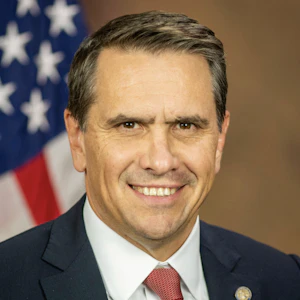
Todd Blanche
Todd Blanche
Biography of Deputy Attorney General Todd Blanche
The Honorable Todd Blanche is the 40th Deputy Attorney General of the United States, overseeing the work of the 115,000 dedicated employees who fulfill the Department of Justice’s mission at Main Justice, the FBI, DEA, U.S. Marshals, ATF, and 93 U.S. Attorney’s Offices.
Todd began his career at the Department where he served for over fifteen years in a variety of capacities, including as a contractor, a paralegal in the Criminal Division, and at the United States Attorney’s office for the Southern District of New York where he eventually became an AUSA and later a supervisor.
After leaving the Department, Todd worked as a criminal defense attorney that included representing President Donald Trump in three of the criminal cases brought against him in 2023 and 2024.
Following President Trump’s historic return to the White House, the President appointed Todd to work alongside Attorney General Pam Bondi to make America safe again. At the DOJ, Todd is working tirelessly to implement President Trump’s priorities that include confronting illegal protecting American businesses from fraud.
Todd has been married to his wonderful wife Kristine for nearly thirty years, is a father and grandfather.

Paul Atkins
Paul Atkins
Prior to returning to the SEC, Chairman Atkins was most recently chief executive of Patomak Global Partners, a company he founded in 2009. Chairman Atkins helped lead efforts to develop best practices for the digital asset sector. He served as an independent director and non-executive chairman of the board of BATS Global Markets, Inc. from 2012 to 2015.
Chairman Atkins was appointed by President George W. Bush to serve as a Commissioner of the SEC from 2002 to 2008. During his tenure, he advocated for transparency, consistency, and the use of cost-benefit analysis at the agency. Chairman Atkins also represented the SEC at meetings of the President’s Working Group on Financial Markets and the U.S.-EU Transatlantic Economic Council. From 2009 to 2010, he was appointed a member of the Congressional Oversight Panel for the Troubled Asset Relief Program.
Before serving as an SEC Commissioner, Chairman Atkins was a consultant on securities and investment management industry matters, especially regarding issues of strategy, regulatory compliance, risk management, new product development, and organizational control.
From 1990 to 1994, Chairman Atkins served on the staff of two chairmen of the SEC, Richard C. Breeden and Arthur Levitt, ultimately as chief of staff and counselor, respectively. He received the SEC’s 1992 Law and Policy Award for work regarding corporate governance matters.
Chairman Atkins began his career as a lawyer in New York, focusing on a wide range of corporate transactions for U.S. and foreign clients, including public and private securities offerings and mergers and acquisitions. He was resident for 2½ years in his firm's Paris office and admitted as conseil juridique in France.
A member of the New York and Florida bars, Chairman Atkins received his J.D. from Vanderbilt University School of Law in 1983 and was Senior Student Writing Editor of the Vanderbilt Law Review. He received his A.B., Phi Beta Kappa, from Wofford College in 1980.
Originally from Lillington, North Carolina, Chairman Atkins grew up in Tampa, Florida. He and his wife Sarah have three sons.

Mike Selig
Mike Selig
Chairman Selig brings to the role deep public and private sector experience working with a wide range of stakeholders across agriculture, energy, financial, and digital asset industries, which rely upon and operate in CFTC-regulated markets.
Prior to his leadership at the CFTC, Chairman Selig most recently served as chief counsel of the Securities and Exchange Commission’s Crypto Task Force and senior advisor to SEC Chairman Paul S. Atkins. In this role, Chairman Selig helped to develop a clear regulatory framework for digital asset securities markets, harmonize the SEC and CFTC regulatory regimes, modernize the agency’s rules to reflect new and emerging technologies, and put an end to regulation by enforcement. He also participated in the President’s Working Group on Digital Asset Markets and contributed to its report on “Strengthening American Leadership in Digital Financial Technology.”
Prior to government service, Chairman Selig was a partner at an international law firm, focusing on derivatives and securities regulatory matters. During his years in private practice, he represented a broad range of clients subject to regulation by the CFTC, including commercial end users, futures commission merchants, commodity trading advisors, swap dealers, designated contract markets, derivatives clearing organizations, and digital asset firms. Chairman Selig advised clients on compliance with the Commodity Exchange Act and the CFTC’s rules and regulations thereunder, including in connection with registration applications and obligations, enforcement matters, and complex transactions.
Chairman Selig earned his law degree from The George Washington University Law School and was articles editor of The George Washington Law Review. He received his undergraduate degree from Florida State University.

David Bailey
David Bailey

Eric Trump
Eric Trump
Mr. Trump also serves as Executive Vice President of The Trump Organization, where he oversees the global management and operations of the Trump family’s extensive real estate portfolio. This includes Trump Hotels, Trump Golf, commercial and residential real estate, Trump Estates, and Trump Winery. Known for his hands-on leadership and strong market instincts, he has played a key role in expanding the company’s presence across major U.S. and international markets.
A globally recognized business leader and public figure, Mr. Trump is a prominent advocate for Bitcoin and decentralized finance. He is a co-founder of World Liberty Financial, a decentralized finance (DeFi) platform, and serves on the Board of Advisors of Metaplanet, Japan’s largest corporate holder of Bitcoin.
Beyond his business activities, Mr. Trump has helped raise more than $50 million for St. Jude Children’s Research Hospital in the fight against pediatric cancer, a philanthropic mission he began at age 21.
Mr. Trump earned a degree in Finance and Management from Georgetown University. He currently resides in Florida with his wife, Lara, and their two children. He is also the author of Under Siege, his memoir published in October 2025.

Jack Mallers
Jack Mallers
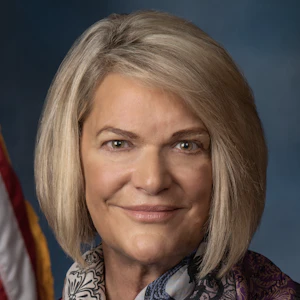
Cynthia Lummis
Cynthia Lummis
As the first-ever Chair of the Senate Banking Subcommittee on Digital Assets, Senator Lummis is the architect of the legislative framework shaping America's digital asset future. She introduced the landmark Lummis-Gillibrand Responsible Financial Innovation Act, the first comprehensive bipartisan crypto regulatory framework in Senate history. She co-authored the GENIUS Act — the first federal stablecoin law ever enacted — and introduced the BITCOIN Act, which would establish a U.S. strategic Bitcoin reserve of up to one million BTC. She is leading the Clarity Act, which will bring long-overdue regulatory certainty to the digital asset industry. She has also championed digital asset tax reform, including a de minimis exemption for small transactions and equal tax treatment for miners and stakers.
Known as Congress' "Crypto Queen," Senator Lummis represents Wyoming — a state she has helped build into one of the most digital asset-friendly regulatory environments in the nation. Before serving in the Senate, she served 14 years in the Wyoming Legislature, eight years as Wyoming State Treasurer, and eight years in the U.S. House. She is a three-time graduate of the University of Wyoming.
Her work represents a crucial bridge between traditional financial systems and the emerging digital economy, ensuring America leads the world in financial innovation while protecting the individual freedoms that define it.

Adam Back
Adam Back
Amy Oldenburg
Amy Oldenburg
David Marcus
David Marcus

Matt Schultz
Matt Schultz
Fred Thiel
Fred Thiel
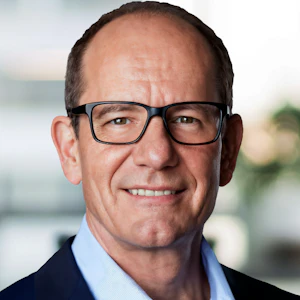
Throughout his career, Mr. Thiel has consistently driven rapid growth and created substantial shareholder value. Prior to MARA, Mr. Thiel served as the CEO of two other public companies, Local Corporation (NASDAQ: LOCM) and Lantronix, Inc (NASDAQ: LTRX). He has successfully raised billions in equity and debt through private and public offerings, led companies through IPOs, executed high-value exits to strategic and financial acquirers, and implemented effective M&A and roll-up strategies.
Mr. Thiel attended the Stockholm School of Economics and executive classes at Harvard Business School, and is fluent in English, Spanish, Swedish, and French. Mr. Thiel is the Chairman of the Board for Oden Technology, Inc. and is active in Young Presidents’ Organization where he has led initiatives in both the FinTech and Technology Networks.
A recognized voice in the industry, Fred frequently shares his insights on energy and technology with major media outlets like Bloomberg TV, CNBC, and FOX Business, contributing to vital discussions about the future of these sectors.
Tim Draper
Tim Draper
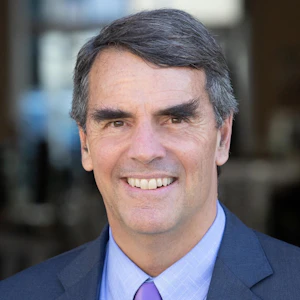
He is a supporter and global thought leader for entrepreneurs everywhere, and is a leading spokesperson for Bitcoin and decentralization, having won the Bitcoin US Marshall’s auction in 2014, invested in over 50 crypto companies, and led investments in Coinbase, Ledger, Tezos, and Bancor, among others.

Afroman
Afroman